7 Surprising Facts About Product Returns (And What Shoppers Should Know)
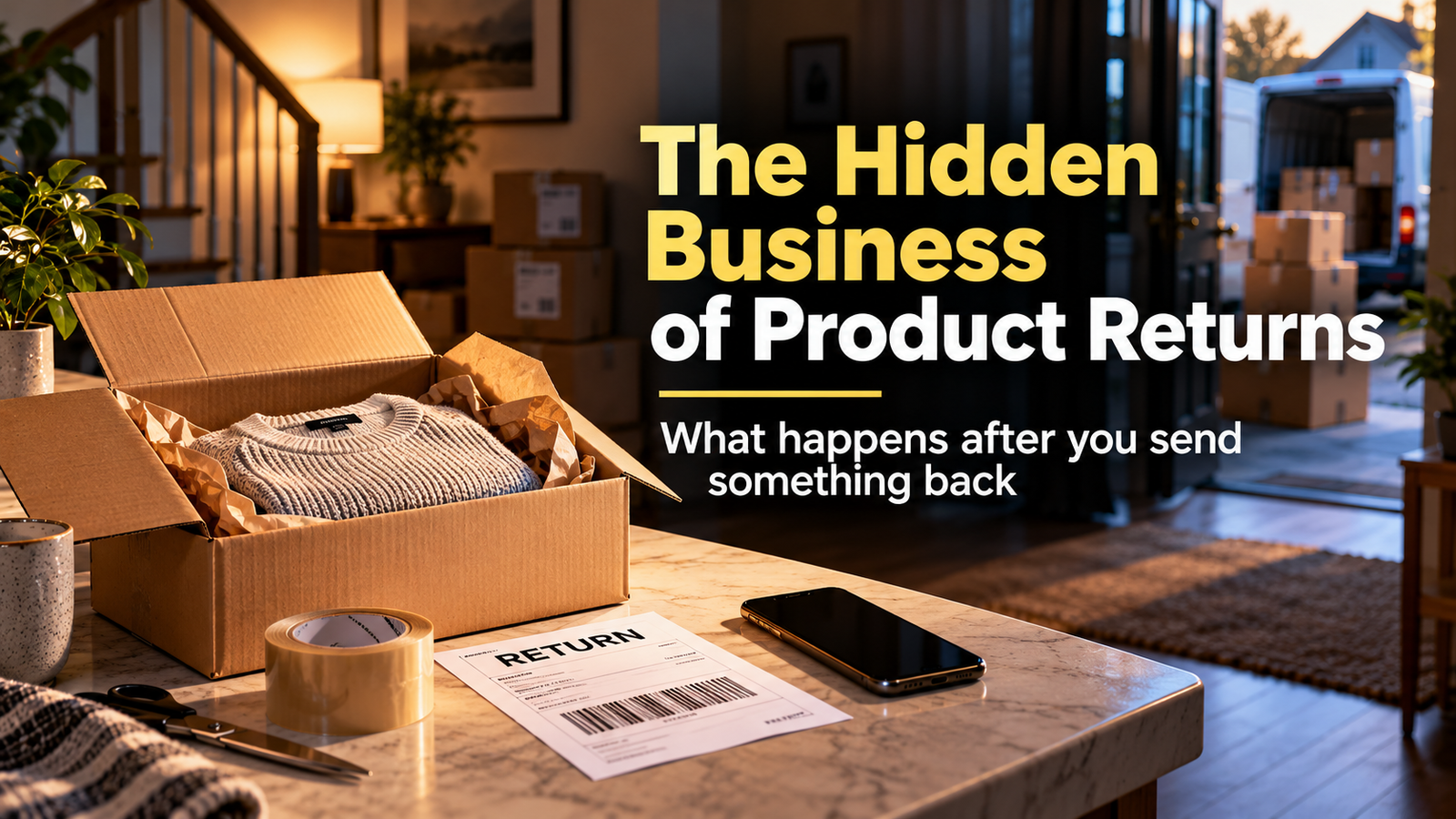
Ever wonder what happens after you send something back? From discounted merchandise to hidden fees, here are seven things every shopper should know about product returns.
Returning something you’ve purchased is easier than ever. Whether it’s clothing that doesn’t fit, an electronic device that didn’t meet expectations, or something you simply changed your mind about, most shoppers are familiar with the process. You request a return, package the item, send it back, and wait for your refund.
But what happens to that product afterward? Does it go back on the shelf? Is it sold to someone else? And why do some retailers charge return fees while others don’t?
The answers reveal a side of shopping most consumers rarely see. Behind everyday product returns is an entire system of warehouses, transportation companies, resale businesses, and retailers deciding what to do with unwanted merchandise. Here are seven surprising facts about product returns and what they mean for you as a shopper.
1. Returned Products Don’t Always Go Back on Store Shelves
It’s easy to assume that a returned product simply goes back into inventory. Sometimes it does, especially if the item is unopened and in its original condition. But many returns follow a different path.
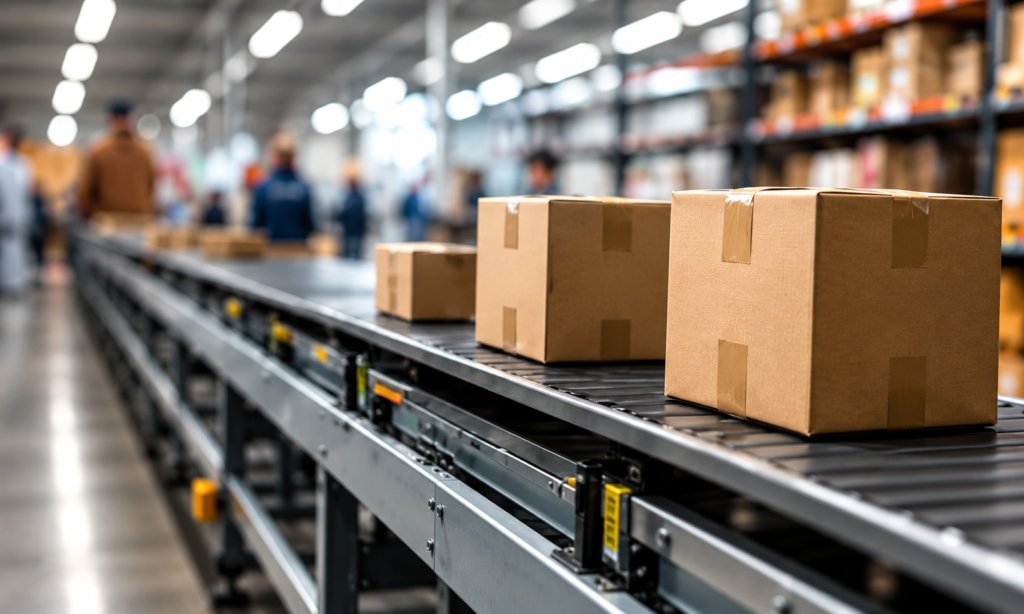
Retailers typically assess returned merchandise to determine whether it can be resold. Clothing may need inspection or repackaging, while electronics may require testing before being offered for sale again. Damaged or incomplete products can require additional processing.
Depending on the item’s condition and value, it may be sold through a discount outlet, sent to a refurbishment company, transferred to a liquidation business, or recycled.
What shoppers should know: A product marked as open-box or refurbished may have been returned by another customer. Always review its condition, included accessories, warranty, and return policy before purchasing.
2. Processing a Return Can Cost More Than the Product Is Worth
Returning an inexpensive item might seem simple, but retailers can incur several costs along the way. These include shipping, warehouse handling, inspection, cleaning, repackaging, and storage.
For some low-cost products, these expenses can exceed the amount the retailer expects to recover through resale. That’s one reason a company might occasionally issue a refund without requiring the item to be shipped back.
Known as a returnless refund, this practice allows some retailers to avoid unnecessary transportation and processing expenses. However, it isn’t available for every product or purchase, and customers shouldn’t assume they’ll qualify.
What shoppers should know: Follow the retailer’s official return instructions. If a company tells you to keep an item after issuing a refund, retain the written confirmation for your records.
3. Returned Merchandise Can Become Someone Else’s Bargain
The market for returned merchandise is much larger than most shoppers realize. Retailers regularly use secondary sales channels to recover value from products that cannot be sold as new.
Some items become open-box deals, while others are repaired, tested, and marketed as refurbished products. Retailers may also sell merchandise in bulk to liquidation companies, which distribute products to discount stores, independent sellers, and online marketplaces.
This means a returned coffee maker, laptop, or household appliance could eventually become a discounted purchase for another consumer.
However, products sold through these channels aren’t always in identical condition. Some may be nearly new, while others may show signs of use or have limited warranty protection.
What shoppers should know: Compare the discounted price with the cost of buying new. A lower price is only worthwhile when the product’s condition, reliability, and protections justify the savings.
4. Free Returns Aren’t Always Completely Free
Retailers often advertise convenient or free returns because flexible policies can encourage customers to shop confidently. But processing returned merchandise still costs money, even when shoppers aren’t charged directly.
Businesses must absorb expenses associated with transportation, staffing, inspection, and inventory management. These costs can influence pricing strategies, return policies, and the way companies manage customer service.
Some retailers charge shipping or restocking fees, particularly for certain product categories or return methods. Others offer free returns only at designated locations or within specific time limits.
What shoppers should know: Read the return policy before completing a purchase, particularly for expensive electronics, furniture, appliances, or items sold by third-party marketplace sellers. Look for return-shipping charges, restocking fees, and exceptions that could affect your refund.
5. Some Returned Products Never Get Resold
Not everything that comes back to a retailer finds another buyer. Some merchandise cannot be resold because it’s damaged, incomplete, unsafe, expired, or subject to hygiene restrictions.
Other products may still work but have such low resale value that the cost of processing them isn’t economically practical.
Depending on the retailer and product category, these items may be donated, recycled, sold for parts, or discarded. The outcome is not always the same, and returning an item does not automatically mean it will end up in a landfill.
Still, returns can create environmental consequences through additional transportation, packaging, handling, and potential waste.
What shoppers should know: You shouldn’t hesitate to return defective or misrepresented merchandise. But for purchases you’re uncertain about, reviewing measurements, product specifications, compatibility, and customer feedback before ordering can reduce avoidable returns.
6. Return Policies Can Be Very Different From One Retailer to Another
A generous return policy at one store doesn’t mean another retailer will offer the same terms. Even within the same business, return requirements may vary by product category, seller, purchase date, and item condition.
Electronics, mattresses, personal-care products, clearance merchandise, and customized products may have special restrictions. Some retailers require original packaging or accessories, while others permit returns without a receipt under certain circumstances.
Online marketplaces add another consideration because the company operating the website may not be the actual seller. A third-party merchant could have return conditions that differ from the marketplace’s standard policy, subject to applicable marketplace rules and consumer protections.
What shoppers should know: Before buying, confirm the return window, refund method, possible fees, and whether the item qualifies for a return. Keep your purchase confirmation and save tracking information when shipping merchandise back.
7. Technology Helps Decide Where Your Return Goes Next
Retailers increasingly rely on software and data systems to manage returned products. Rather than sending every item to the same warehouse, companies can use information about product value, location, condition, resale demand, and processing expenses to help determine the next destination.
A product might be directed to a nearby processing facility, another retail location, a refurbishment partner, or a liquidation channel. These decisions are part of what’s known as reverse logistics, the process of moving merchandise back through the retail supply chain.
For businesses, better return management can reduce unnecessary shipping, improve inventory handling, and recover more value from returned goods.
For shoppers, these systems may also affect how quickly returns are processed and refunds are issued, although refund timing depends on the retailer’s policies and applicable consumer protections.
What shoppers should know: Use the official return method provided by the retailer, retain proof of shipment or drop-off, and monitor your refund until it is completed.
How to Make Smarter Shopping and Return Decisions
Understanding what happens behind the scenes doesn’t mean you should avoid returning something that doesn’t meet your needs. Returns are an important part of consumer shopping, especially when buying products online.
The goal is to make informed decisions before and after purchasing. Compare products carefully, check measurements and compatibility, and understand the seller’s return conditions. When returning something, follow the instructions, include required accessories, and keep documentation until your refund is received.
And if you’re considering an open-box or refurbished item, take a few extra minutes to evaluate the condition, warranty, seller reputation, and savings. Products that have already passed through the return system can sometimes offer good value, but not every discount is worth the risk.
Final Thoughts
The next time you return something, remember that your refund may be the end of the transaction for you, but the product’s journey could be just beginning.
Returned merchandise can move through inspection facilities, warehouses, refurbishment programs, discount outlets, and resale marketplaces before reaching another customer. Some products are successfully recovered, while others are recycled or discarded.
For everyday shoppers, understanding this hidden process helps explain why return policies differ, why refurbished merchandise can cost less, and why the details of a purchase matter.
Sometimes, discovering what happens behind the scenes is all it takes to become a more informed consumer.